





“The NTUiTiV Difference” – This is Why This Course is Right for You
- Special Discounted Price of US$4,450 – the usual price is US$5,450
- Satisfaction Guaranteed – or we will give you your money back!
- 15% Early-bird Discount – for the first 3 people to register for any course
- 20% Group Discount – if you come with one or more colleagues
- No More Than 12 Delegates on the course – guaranteed
See our homepage for more detailed information about these NTUiTiV Differences.
Strategic Leadership in a Decarbonising Gas Economy
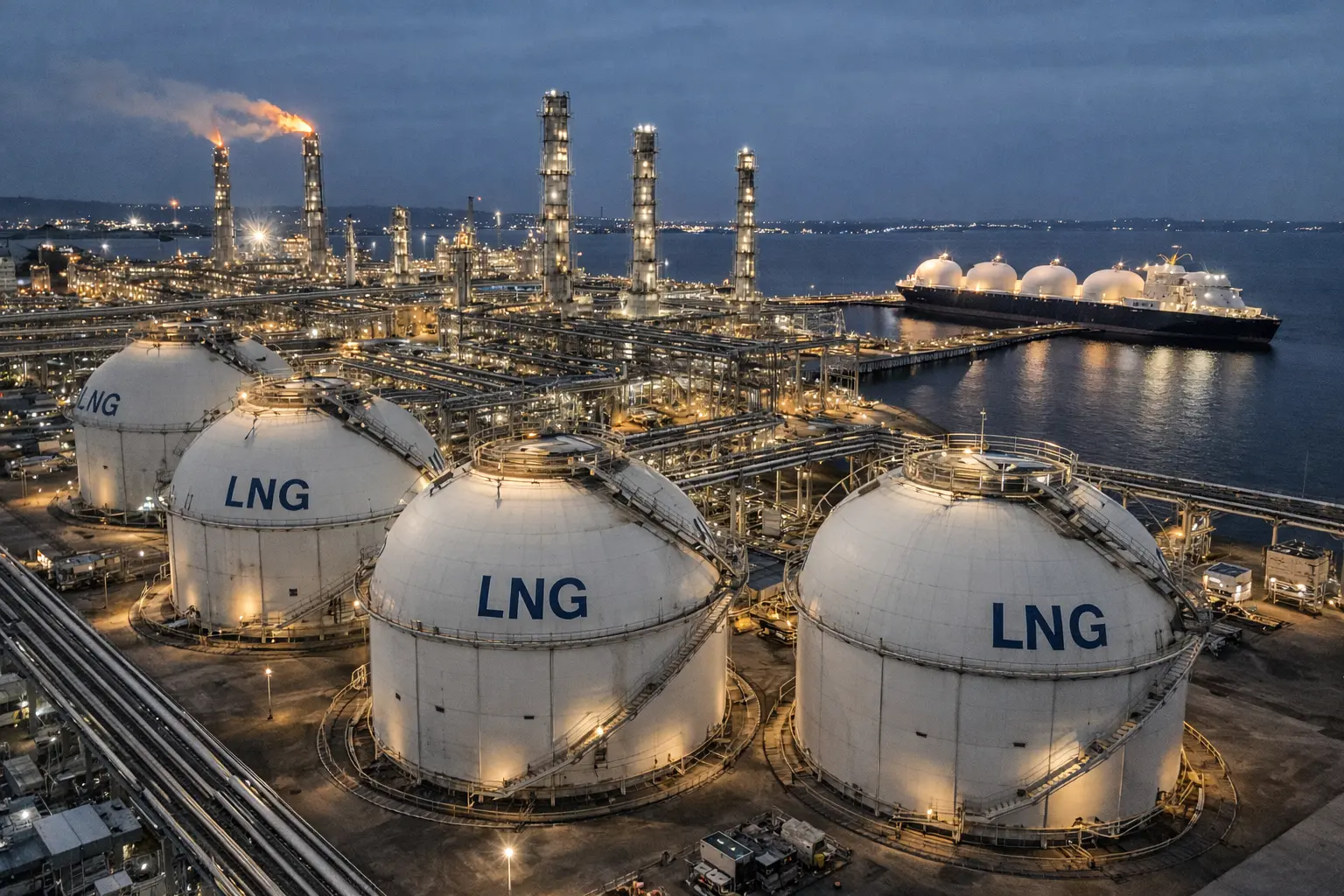
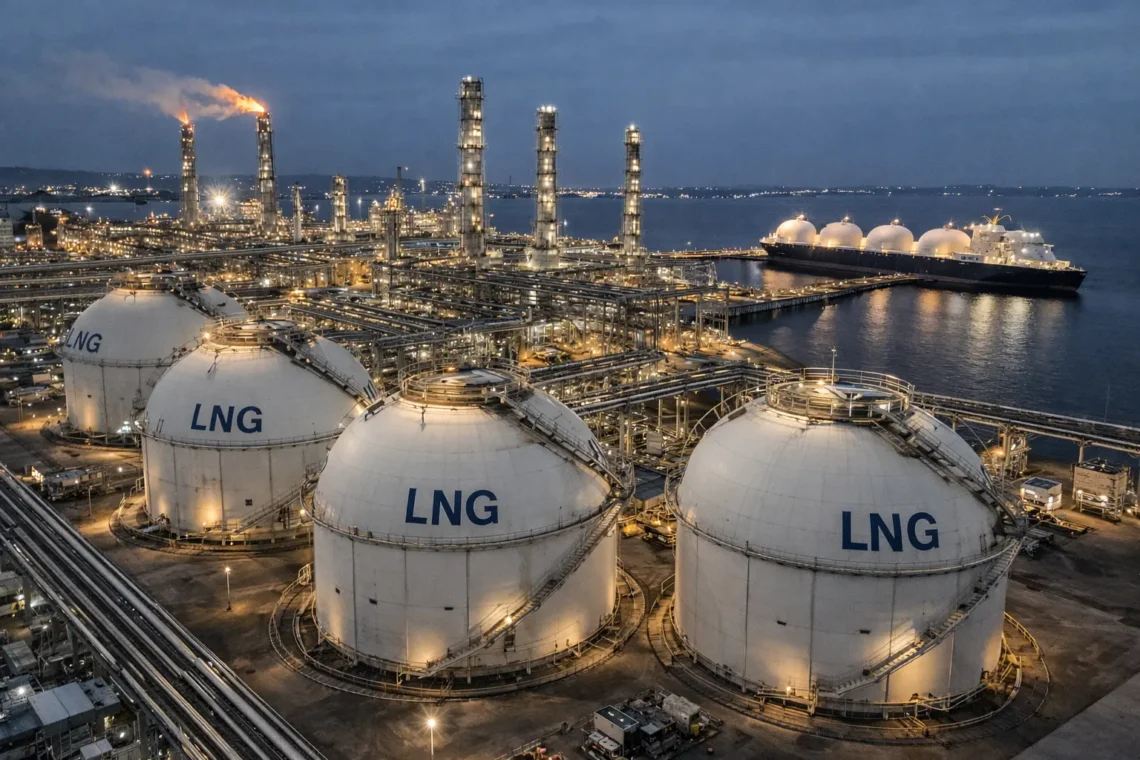
Liquefied Natural Gas (LNG) remains one of the most pivotal energy vectors in today’s evolving global energy architecture. As governments accelerate decarbonisation, advance Vision-style transformation programmes, and implement Green Deal commitments, LNG plays a dual role: a transition fuel enabling coal-to-gas switching and a platform for future low-carbon molecules including bio-LNG, hydrogen and e-methane.
This 5-day NTUiTiV MBA Essentials course provides executives with a strategic, commercial and technical understanding of LNG across the full value chain — fully integrated with energy transition realities and sustainable investment frameworks. Participants explore how LNG aligns with national transformation strategies, carbon markets, methane regulation, low-carbon certification frameworks and sustainable finance mechanisms.
Across five structured days, the programme examines LNG fundamentals, global trade flows, pricing evolution, decarbonisation technologies, project finance structures, regulatory developments and future integration with hydrogen and synthetic fuels — equipping participants with the insight required to lead confidently in a decarbonising gas economy.
Why this course is important
The LNG industry is no longer defined solely by upstream monetisation and long-term SPAs. Today, it is shaped by carbon intensity metrics, ESG compliance, sustainable finance, portfolio flexibility, trading optimisation, energy security imperatives and industrial diversification strategies.
Executives must now interpret LNG’s role within net-zero pathways, evaluate projects using carbon-adjusted metrics, manage geopolitical and regulatory risk, and integrate low-carbon solutions such as CCS and methane management into project design. This course equips professionals with the commercial judgement and strategic foresight required to balance decarbonisation with energy security, while navigating volatile pricing environments and evolving contract structures.
It enables leaders to move beyond operational knowledge toward integrated strategic leadership in a transforming global energy system.
Who should attend
This programme is ideal for:
- National oil & gas companies
- Government regulators and policy advisors
- Energy transition taskforces
- Corporate strategy and planning teams
- LNG trading and commercial departments
- Investment and project finance institutions
- Energy-focused private equity and banks
- Legal and compliance professionals
It is particularly suited to professionals operating at the intersection of LNG, sustainable finance, regulatory reform and strategic transformation.
What you will learn
Over five intensive days, participants will gain practical and strategic mastery across:
Day 1 – LNG in the Global Energy Transition Landscape
- LNG fundamentals: physical properties and liquefaction economics
- Gas versus coal emissions comparison and transition dynamics
- LNG’s role in national energy diversification strategies
- Energy security vs decarbonisation balance
- Upstream to downstream integration and stakeholder ecosystems
- Major exporters, emerging suppliers and structural demand shifts
Day 2 – Technology, Infrastructure & Decarbonisation
- Cryogenic liquefaction processes and efficiency drivers
- Modular, mid-scale and floating LNG (FLNG) developments
- Storage, regasification systems and LNG carriers
- Carbon intensity benchmarking and methane emissions management
- Carbon capture & storage integration
- Low-carbon and certified LNG frameworks
Day 3 – LNG Markets, Pricing & Commercial Strategy
- Oil-linked contracts vs gas hubs
- TTF, JKM and hybrid pricing structures
- Spot market expansion
- Portfolio optimisation and flexible destination clauses
- Arbitrage opportunities
- Risk management including price risk, hedging, cost overrun and geopolitical exposure
Day 4 – LNG Project Finance & Investment in a Green Economy
- NPV, IRR and sensitivity analysis
- Carbon-adjusted project valuation
- Scenario planning under net-zero pathways
- Traditional project finance structures
- Sustainability-linked loans and green bonds
- Governance frameworks and ESG compliance integration
Day 5 – Contracts, Regulation & Future Energy Integration
- Modern SPA evolution and flexible contracting
- FOB vs DES structures and shipping agreements
- Methane regulations and emissions reporting frameworks
- Carbon border mechanisms
- LNG as feedstock for hydrogen
- e-methane, synthetic fuels and integration with renewables
- LNG in net-zero 2050 pathways