
Article
Natural Gas Processing
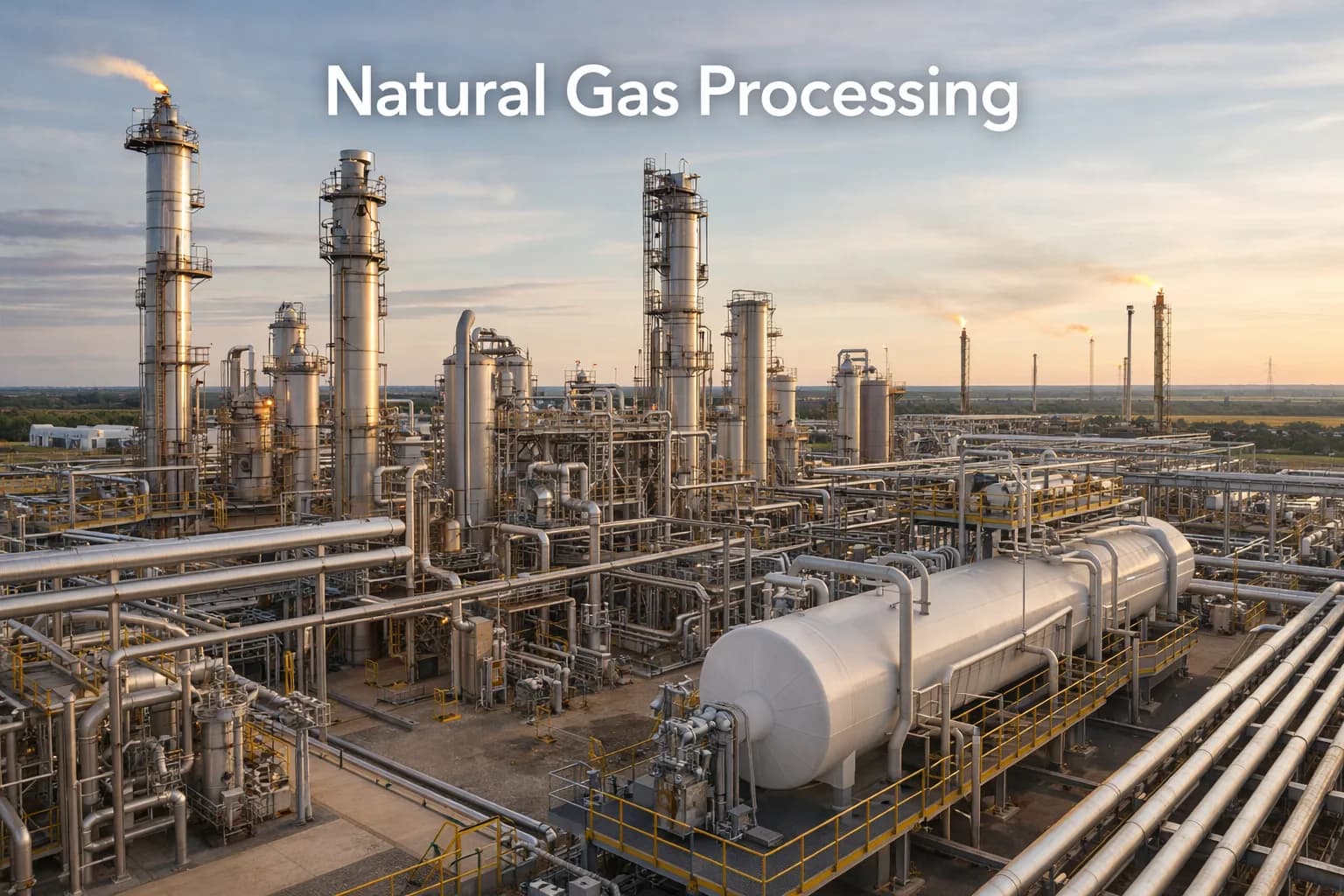
From Extraction to Market
Natural gas, a crucial energy source, undergoes extensive processing to meet market standards. This article delves into the stages and methods used to process natural gas, ensuring it is safe, efficient, and ready for consumption.
Introduction to Natural Gas Processing
The journey of natural gas from extraction to end-users involves several intricate steps. Initially, the gas extracted from underground reservoirs is not suitable for direct use due to the presence of impurities and varying compositions. Processing is essential to remove contaminants and separate valuable hydrocarbons, ensuring the gas is clean and ready for residential, commercial, and industrial use.
Natural gas processing is a complex and multifaceted operation that requires the integration of various technologies and techniques. This process not only improves the quality of the gas but also ensures that it meets the stringent regulatory standards set by governments and industry bodies around the world. The following sections will explore the key stages involved in natural gas processing.
Stages of Natural Gas Processing
1. Extraction
Natural gas is primarily extracted from gas fields or in conjunction with crude oil production. The extraction process involves drilling wells and using technologies to bring the gas to the surface. This raw natural gas contains a mixture of methane, heavier hydrocarbons, water vapor, hydrogen sulfide, carbon dioxide, and other impurities. The extraction process is often the most challenging and expensive part of the natural gas production chain, requiring significant investment in exploration, drilling, and well completion technologies.
2. Initial Separation
Once extracted, the gas undergoes an initial separation process. This step typically occurs at the wellhead, where the gas is separated from oil, water, and other condensates. This separation is crucial to ensure that only the gaseous components move forward in the processing chain. The initial separation also helps in reducing the load on subsequent processing units, making the overall process more efficient and cost-effective.
3. Contaminant Removal
To make natural gas suitable for commercial use, various contaminants must be removed. The presence of these contaminants can affect the performance of the gas and pose risks to equipment and pipelines. The primary contaminants include: • Water Removal: The presence of water can cause pipeline corrosion and hydrate formation. Dehydration processes, such as glycol dehydration or desiccant drying, are employed to remove water vapor. This step is critical to prevent the formation of gas hydrates, which can block pipelines and disrupt the flow of gas. • Acid Gas Removal: Hydrogen sulfide (H2S) and carbon dioxide (CO2) are removed using processes like amine gas treating or membrane separation. These gases can be corrosive and toxic. Removing acid gases is essential to meet pipeline specifications and environmental regulations. • Mercury Removal: Mercury, though present in trace amounts, can damage processing equipment. Activated carbon beds are commonly used to remove mercury. This step ensures the safety and longevity of processing equipment, as mercury can amalgamate with metals and cause severe corrosion.
4. Hydrocarbon Recovery
Natural gas contains heavier hydrocarbons such as ethane, propane, butanes, and natural gasoline. These are valuable by-products and are separated in gas processing plants through processes like cryogenic expansion, absorption, and fractionation. Hydrocarbon recovery not only adds value to the natural gas stream but also provides feedstock for the petrochemical industry, which uses these components to produce plastics, chemicals, and other products.
5. Sulfur Recovery
The sulfur compounds removed during acid gas treatment are often converted into elemental sulfur or sulfuric acid through the Claus process. This not only mitigates environmental impact but also allows for the recovery of valuable sulfur products. Sulfur recovery is an essential step in minimizing the environmental footprint of natural gas processing, as it prevents the release of harmful sulfur compounds into the atmosphere.
6. Nitrogen Rejection
In some gas fields, nitrogen is present in significant quantities. Nitrogen must be removed to meet heating value specifications. Processes like cryogenic distillation or adsorption are used for nitrogen rejection. Removing nitrogen ensures that the natural gas meets the required energy content and combustion characteristics for end-users.
7. Final Conditioning
Before natural gas is transported through pipelines, it undergoes final conditioning. This step ensures that the gas meets the required specifications for pressure, temperature, and composition. It also involves compressing the gas for efficient transport. Final conditioning includes adjusting the gas to the appropriate pipeline pressure and adding odorants for leak detection, ensuring safe delivery to consumers.
Methods and Technologies Used in Gas Processing
Several advanced technologies and methods ensure the efficient and safe processing of natural gas. These technologies continue to evolve, driven by the need for greater efficiency, environmental compliance, and cost-effectiveness. Key technologies include:
• Amine Gas Treating: Used for acid gas removal, this process involves absorbing H2S and CO2 in an amine solution and then regenerating the solution for reuse. Amine treating units are widely used in the industry due to their effectiveness and reliability. • Cryogenic Processing: Utilized for hydrocarbon recovery and nitrogen rejection, this process involves cooling the gas to extremely low temperatures to condense and separate components. Cryogenic processing is particularly effective for extracting natural gas liquids (NGLs) and achieving high-purity methane. • Membrane Separation: Employs selective membranes to separate gases based on their different permeation rates, useful in acid gas and nitrogen removal. Membrane technology offers a compact and energy-efficient solution for gas separation, with ongoing advancements improving performance and cost-effectiveness. • Glycol Dehydration: A method for removing water vapor, where glycol absorbs water from the gas stream, which is then regenerated and recycled. Glycol dehydration units are commonly used in the industry due to their simplicity and effectiveness in reducing moisture content. • Adsorption: Uses materials like activated carbon or zeolites to adsorb contaminants such as mercury and water vapor. Adsorption techniques are essential for removing trace contaminants and ensuring the purity of the processed gas.
Environmental and Safety Considerations
Processing natural gas comes with environmental and safety challenges. Emissions of greenhouse gases, volatile organic compounds, and other pollutants must be managed. Gas processing plants implement measures such as flaring, gas reinjection, and pollution control technologies to minimize environmental impact. Safety protocols are also essential to prevent accidents, given the flammable nature of natural gas and associated chemicals. Ensuring the safety of workers and the surrounding communities is a top priority, with strict adherence to industry standards and regulatory requirements. Additionally, advancements in monitoring and automation technologies have enhanced the ability of gas processing plants to detect and respond to potential issues quickly. Implementing these technologies helps in maintaining optimal operational performance and minimizing the environmental footprint of natural gas processing activities.
Conclusion
Natural gas processing is a vital step in ensuring that extracted gas meets market requirements and is safe for use. From initial separation to contaminant removal and hydrocarbon recovery, each stage plays a crucial role in delivering clean, efficient energy. With ongoing advancements in technology, the process continues to become more efficient and environmentally friendly, contributing to the sustainable use of natural gas resources. The future of natural gas processing lies in the continued development of innovative technologies and practices that enhance efficiency, reduce costs, and minimize environmental impacts. By embracing these advancements, the natural gas industry can ensure a reliable and sustainable energy supply for generations to come.