
Article
The Importance of a Culture of Lifelong Learning
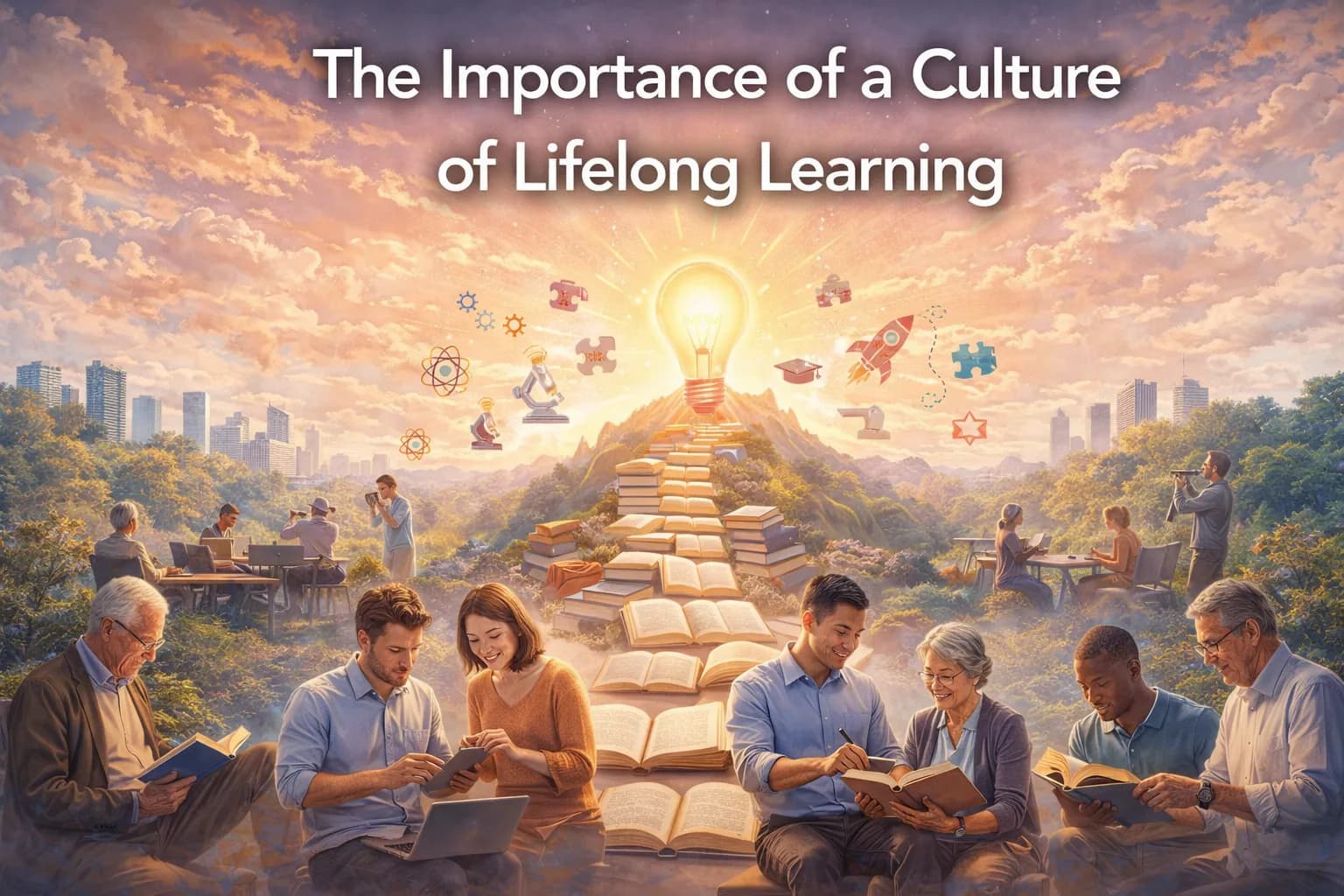
Embracing Continuous Education for Personal and Professional
Growth
In an era characterized by rapid technological advancements and an ever-evolving job market, the significance of fostering a culture of lifelong learning cannot be overstated. Lifelong learning is the continuous, voluntary, and self-motivated pursuit of knowledge for personal or professional reasons. This culture not only enhances social inclusion, active citizenship, and personal development, but it also promotes adaptability and employability. In this article, we will explore the multifaceted importance of lifelong learning and how it serves as a cornerstone for both individual and societal growth.
Adaptability in a Dynamic World
The contemporary world is marked by constant change. Technological advancements, globalization, and shifting economic landscapes require individuals to adapt quickly to new situations. Lifelong learning equips people with the skills and knowledge necessary to navigate these changes effectively. For instance, the rise of artificial intelligence and automation has transformed various industries, rendering certain skills obsolete while creating demand for new ones. By engaging in continuous learning, individuals can stay relevant in their fields and transition smoothly between roles or industries.
Enhancing Employability
In today’s competitive job market, having a static skill set is no longer sufficient. Employers seek candidates who demonstrate a commitment to personal and professional growth. Lifelong learning showcases an individual’s dedication to staying updated with industry trends and acquiring new competencies. This proactive approach not only enhances employability but also increases job security. Additionally, professionals who engage in continuous learning are more likely to be considered for promotions and leadership roles, as they bring fresh perspectives and innovative solutions to the table.
Personal Development and Fulfillment
Lifelong learning is not confined to professional development; it also encompasses personal growth. Engaging in new learning experiences can lead to a more fulfilling and enriched life. Whether it is learning a new language, mastering a musical instrument, or delving into a new hobby, these activities contribute to cognitive stimulation and emotional well-being. Moreover, the sense of accomplishment that comes with acquiring new skills fosters self-confidence and a positive self-image.
Building a Growth Mindset
A culture of lifelong learning cultivates a growth mindset, which is the belief that abilities and intelligence can be developed through dedication and hard work. This mindset contrasts with a fixed mindset, where individuals believe their talents are innate and unchangeable. Embracing a growth mindset encourages resilience in the face of challenges and a willingness to take on new opportunities. It transforms failures into valuable learning experiences and fosters a proactive approach to problem-solving.
Social Inclusion and Active Citizenship
Lifelong learning promotes social inclusion by providing individuals with the tools to participate fully in society. Education is a powerful equalizer, breaking down barriers of inequality and enabling people from diverse backgrounds to contribute to their communities. By fostering critical thinking, empathy, and cultural awareness, lifelong learning encourages active citizenship. Engaged citizens are more likely to participate in democratic processes, volunteer for social causes, and collaborate on community projects, thereby strengthening the social fabric.
Fostering Innovation and Creativity
Innovation and creativity are essential drivers of progress and development. A culture of lifelong learning nurtures these qualities by exposing individuals to new ideas, perspectives, and experiences. Continuous education encourages curiosity and experimentation, leading to innovative solutions and creative problem-solving. In professional settings, this can translate to improved products, services, and processes. On a personal level, it can lead to unique artistic expressions and novel approaches to everyday challenges.
Health and Well-being
Engaging in lifelong learning has positive effects on mental and physical health. Cognitive activities, such as learning new information or skills, stimulate brain function and can reduce the risk of cognitive decline in older adults. Additionally, lifelong learning promotes a sense of purpose and accomplishment, which are vital for mental health. Social interactions that occur in learning environments also contribute to emotional well-being by providing opportunities for connection and support.
Adapting to Technological Advances
Technological advancements are reshaping the way we live and work. Lifelong learning enables individuals to keep pace with these changes by acquiring new digital skills and understanding emerging technologies. From mastering software applications to understanding the implications of artificial intelligence, continuous education prepares people to leverage technology effectively. This adaptability is crucial for both personal and professional success in a tech-driven world.
Implementing a Culture of Lifelong Learning
Creating a culture of lifelong learning requires a collective effort from individuals, organizations, and governments. Here are some key strategies to promote continuous education:
• Encouraging Curiosity: Cultivate a sense of curiosity and a love for learning from a young age. Schools and parents play a crucial role in instilling these values. • Accessible Education: Ensure that educational opportunities are accessible to all, regardless of socioeconomic status or geographic location. This includes providing affordable online courses and community-based learning programs. • Employer Support: Organizations should support their employees’ professional development by offering training programs, workshops, and opportunities for career advancement. • Government Policies: Governments can promote lifelong learning by investing in education and creating policies that encourage continuous skill development. • Personal Initiative: Individuals must take charge of their own learning journeys by seeking out new knowledge and experiences. This can include enrolling in courses, attending seminars, or simply exploring new hobbies.
In conclusion, the importance of a culture of lifelong learning cannot be overstated. It fosters adaptability, enhances employability, and contributes to personal fulfillment. Moreover, it promotes social inclusion, innovation, and overall well-being. By embracing continuous education, individuals and societies can navigate the complexities of the modern world with confidence and resilience. The pursuit of knowledge is a lifelong journey, and cultivating a culture of learning ensures that we are always prepared for the future.